
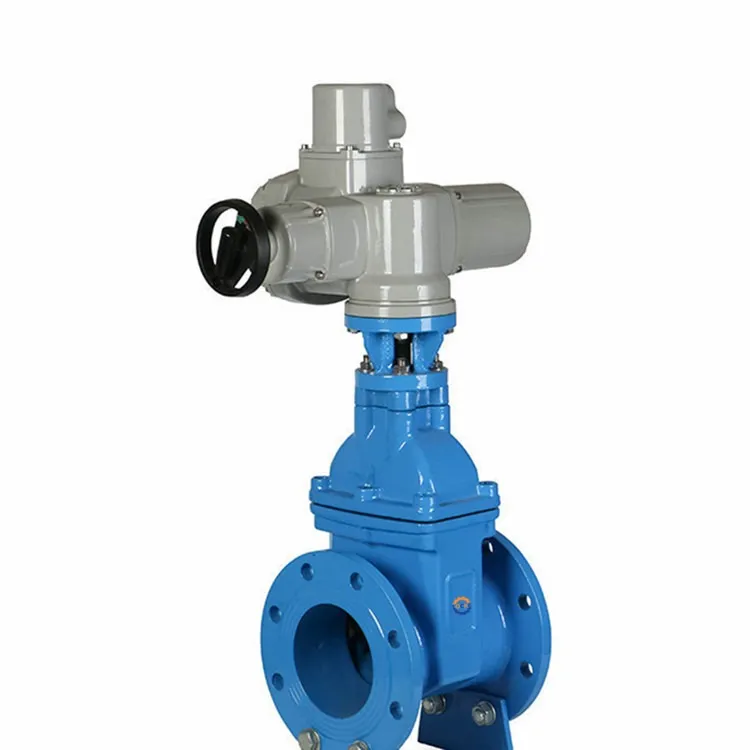
gold mirror glass sheets
Understanding Strainer Flange Types A Comprehensive Guide Strainers are essential components in various industries, acting as filters that prevent unwanted particles from entering fluid systems. One critical aspect of strainers that engineers and procurement professionals need to consider is the flange type. Flanged strainers come in various designs and sizes, allowing them to be connected to pipelines seamlessly. This article aims to provide a comprehensive overview of strainer flange types, their features, and their applications. What is a Flange? A flange is a mechanical component that provides a means to connect two parts together, typically pipes or fittings. Flanges create a secure joint that can accommodate high-pressure systems, ensuring leak-free operations. There are several standard flange types defined by different specifications, including ASME, DIN, ANSI, and JIS standards. Each specification dictates dimensions, tolerances, and mechanical properties. Common Strainer Flange Types 1. Flat Face Flange The flat face flange is characterized by a flat sealing surface that lies on the same plane as the bolt holes. This type is commonly used in low-pressure applications and can easily fit with other flat-faced components. However, it is essential to ensure that the mating surfaces are perfectly aligned to prevent leaks. 2. Raised Face Flange This flange type features a raised area in the center that enhances the sealing capability and is more suitable for high-pressure applications. The raised area allows for improved contact with the gasket, promoting a tight seal. Raised face flanges are frequently used in petrochemical industries, water treatment, and HVAC systems. 3. Ring-type Joint Flange Commonly used in high-pressure and high-temperature operations, the ring-type joint flange utilizes a metal ring that is placed in the groove of the flange. When bolted together, the ring compresses and forms a seal. This type is commonly found in drilling, refineries, and other industries dealing with hazardous fluids. 4. Slip-on Flange A slip-on flange is designed to be slipped over the end of a pipe, adding ease to installation. This type is often used when there is a requirement for relatively low-pressure service and where ease of disassembly is necessary. The slip-on design allows minimal effort for installation, making maintenance straightforward. strainer flange type 5. Weld Neck Flange This type of flange has a long neck that is welded to the pipe, providing better stress distribution over the joint. Weld neck flanges are ideal for high-pressure applications and are commonly found in manufacturing, oil and gas, and chemical processing industries. Key Considerations for Choosing Flange Types When selecting the appropriate strainer flange type, several factors must be considered - Pressure and Temperature Ratings Ensure that the flange type and materials can withstand the system's operational conditions. - Fluid Characteristics Consider the type of fluid being handled. Some strainers might require specialized flanges to mitigate corrosion or contamination. - Installation and Maintenance Evaluate the ease of installation and the necessary maintenance procedures. Certain flanges are more challenging to disassemble or require specific tools. - Standard Compliance Ensure the chosen flange types adhere to applicable industry standards to maintain safety and performance. Conclusion In summary, selecting the right strainer flange type is a crucial decision that significantly impacts system performance and longevity. Understanding the different types of flanges—flat face, raised face, ring-type joint, slip-on, and weld neck—and their respective applications is fundamental for engineers and designers. By considering pressure ratings, fluid characteristics, installation ease, and compliance with industry standards, professionals can make informed choices that enhance the efficiency of fluid systems. The right flange choice not only ensures optimal operation but also contributes to the overall safety and reliability of the system.
about
gold mirror glass sheets
The Unseen Hero The Role of Concrete Rebar Chairs in Modern Construction In the world of construction, there lies an unsung hero that silently contributes to the robustness and stability of towering structures - the humble concrete rebar chair. This seemingly insignificant component plays a crucial role in ensuring the integrity of concrete structures, making it an indispensable part of modern engineering. Concrete rebar chairs, often referred to as reinforcement bar supports, are small, usually made of steel or plastic, and designed to hold rebar in place during the concrete pouring process. Rebar, short for reinforcing bar, is a steel rod or mesh used to reinforce concrete, enhancing its tensile strength. It's the backbone of many architectural marvels, from towering skyscrapers to sprawling highway systems. The primary function of rebar chairs is to maintain the correct vertical spacing and elevation of the rebar within the concrete matrix. Without these chairs, the rebar could shift or settle, compromising the structural integrity of the concrete. They ensure that the rebar stays evenly distributed and at the desired distance from the concrete surface, allowing for proper concrete coverage and preventing corrosion. Rebar chairs come in various sizes and designs, accommodating different diameter rebars and concrete slab thicknesses. Their adaptability makes them suitable for a wide range of construction projects, from residential buildings to massive infrastructure developments. They can be easily adjusted on-site, providing flexibility in construction processes They can be easily adjusted on-site, providing flexibility in construction processes They can be easily adjusted on-site, providing flexibility in construction processes They can be easily adjusted on-site, providing flexibility in construction processes concrete rebar chair . Moreover, their use not only enhances the structural soundness but also improves construction efficiency. With rebar chairs in place, workers can pour concrete more quickly and accurately, reducing potential errors and saving time. Their installation is straightforward, minimizing labor costs and increasing productivity. Innovations in material science have led to the development of eco-friendly rebar chairs made from recycled materials, further emphasizing their role in sustainable construction practices. These chairs, while small in size, contribute significantly to reducing waste and promoting environmental responsibility. In conclusion, the concrete rebar chair, though often overlooked, is a vital component in the complex dance of construction. It's a testament to the importance of even the smallest elements in large-scale projects. Like the unseen threads that weave a tapestry together, rebar chairs silently strengthen and stabilize our built environment, ensuring the safety and longevity of the structures we rely on daily. Their role, therefore, is not just concrete, but crucial.
-

High quality industrial productsagement

High quality industrial products
View Details -

Meet the diverse needs of customers

Meet the diverse needs of customers
View Details -

Strict quality control

Strict quality control
View Details -

Top raw materials

Top raw materials
View Details -

Trusted supplier

Trusted supplier
View Details
Our application
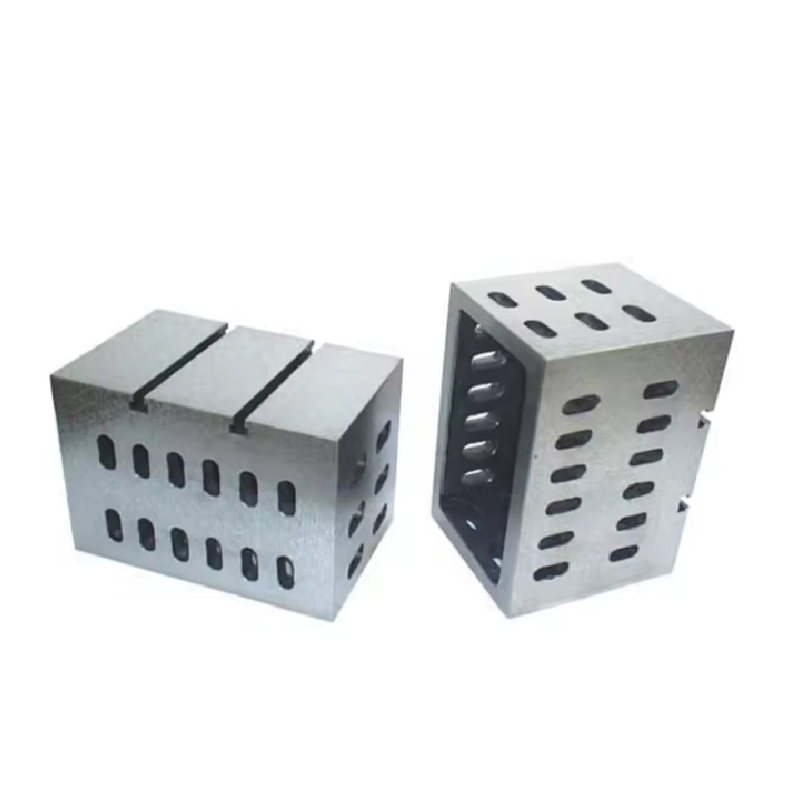
news and information
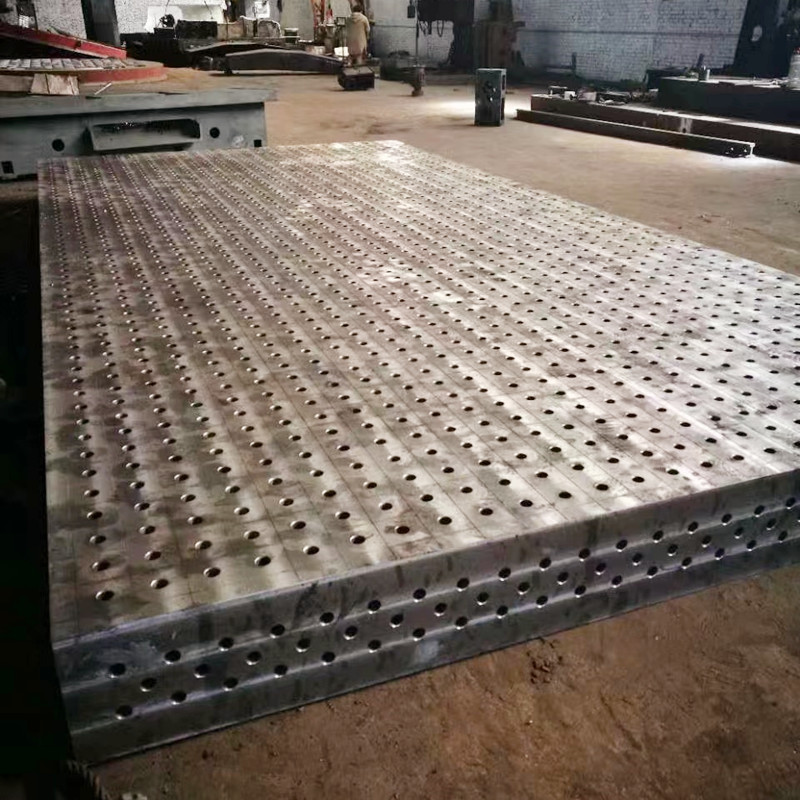
Valve's Influence in the Chinese Market and Its Future Prospects
The Influence of Valve China on the Global Valve Industry In recent years, China has emerged as a ce

valve wholesale
The valve industry is a cornerstone of countless sectors, encompassing everything from oil and gas t
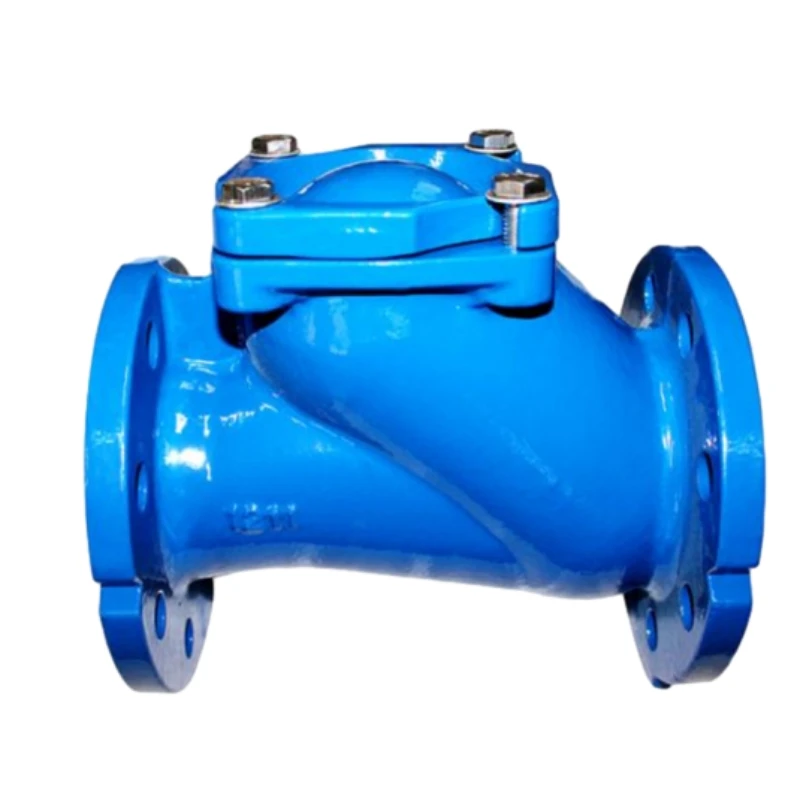
water valve repair
Water Valve Repair A Comprehensive Guide Water valves play a crucial role in the plumbing systems of
 English